
Trade Asist TRADE ASIST
International Trade Brokerage
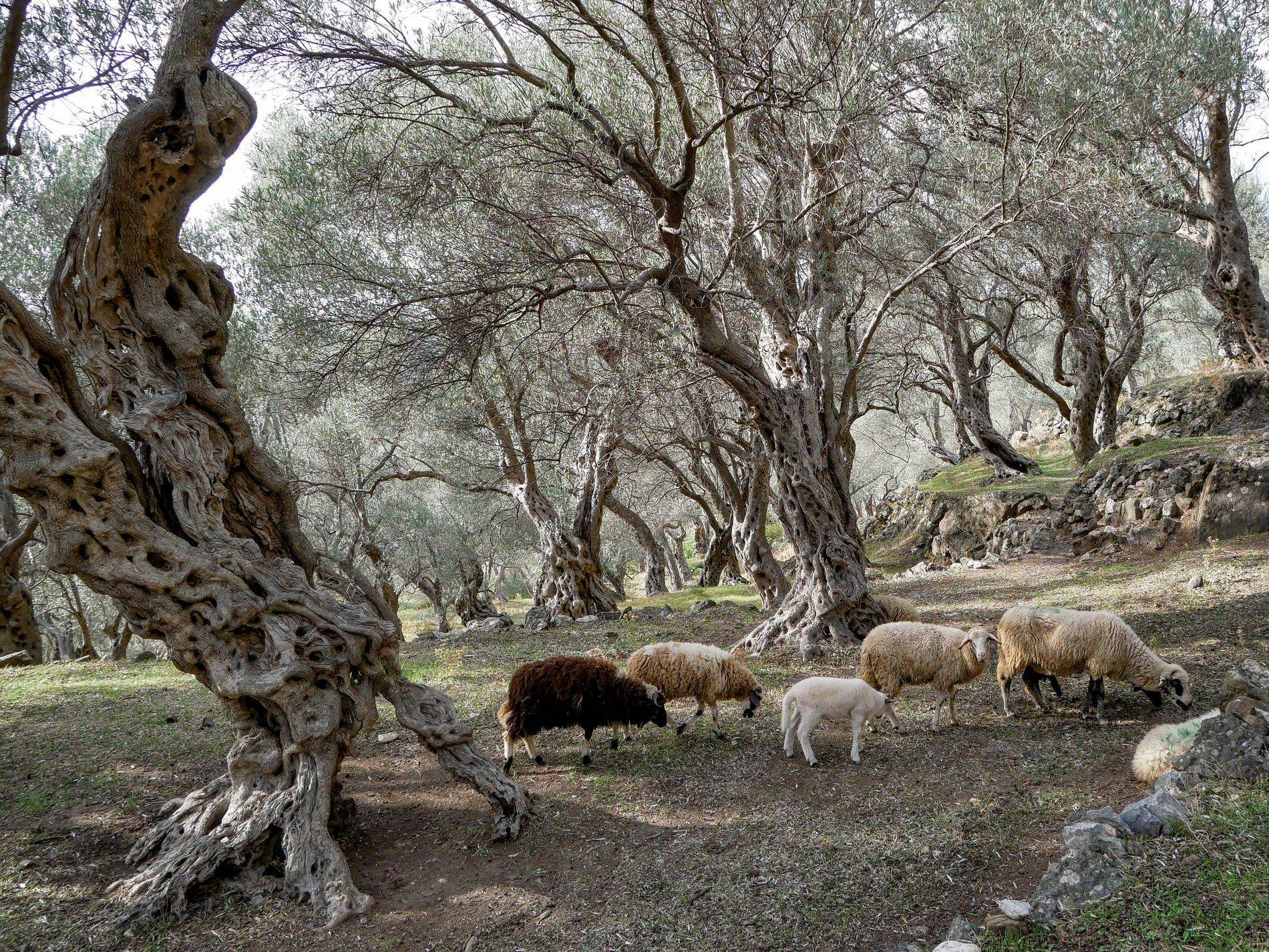
Olive trees in a Mediterranean grove
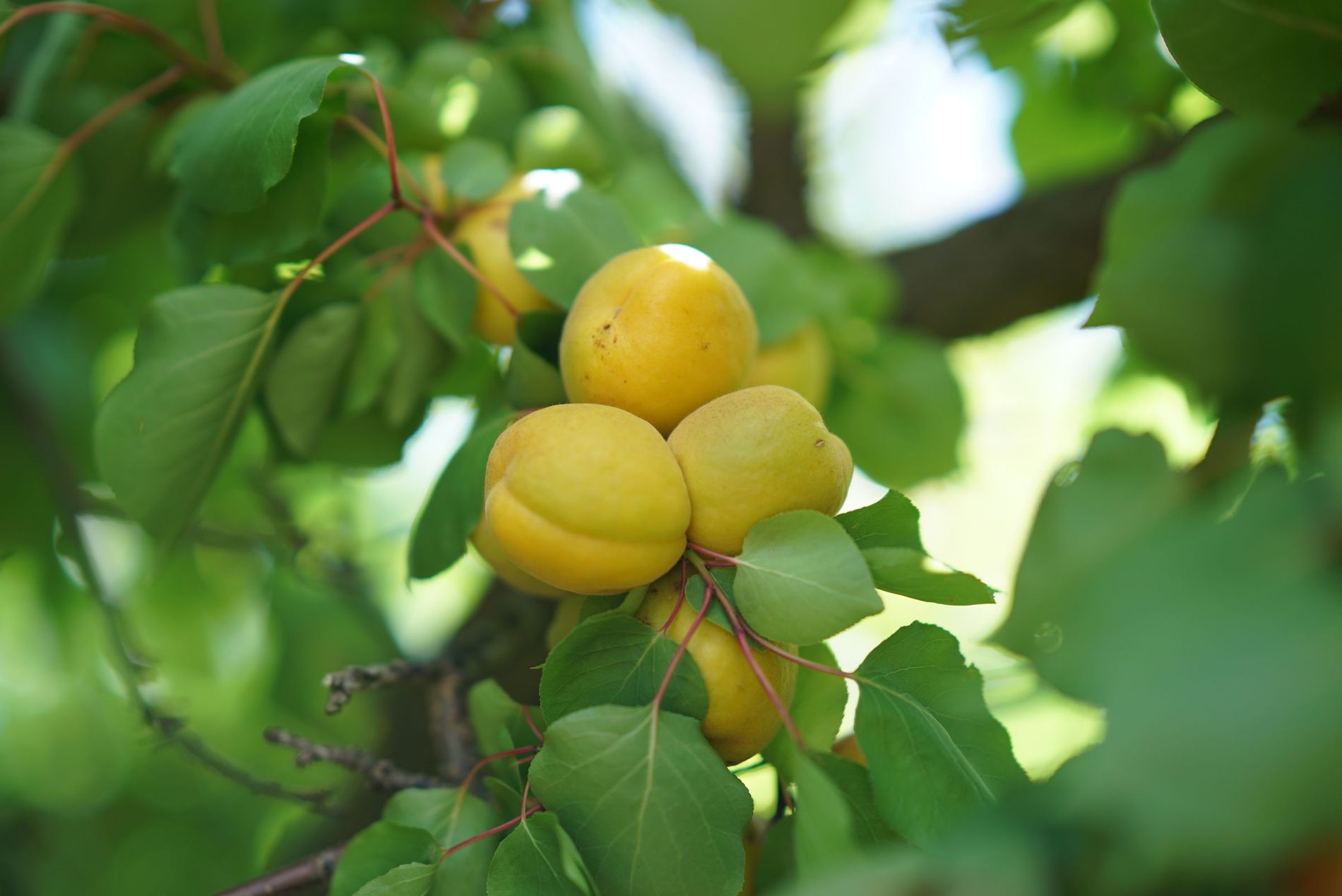
Apricots ripening on the tree
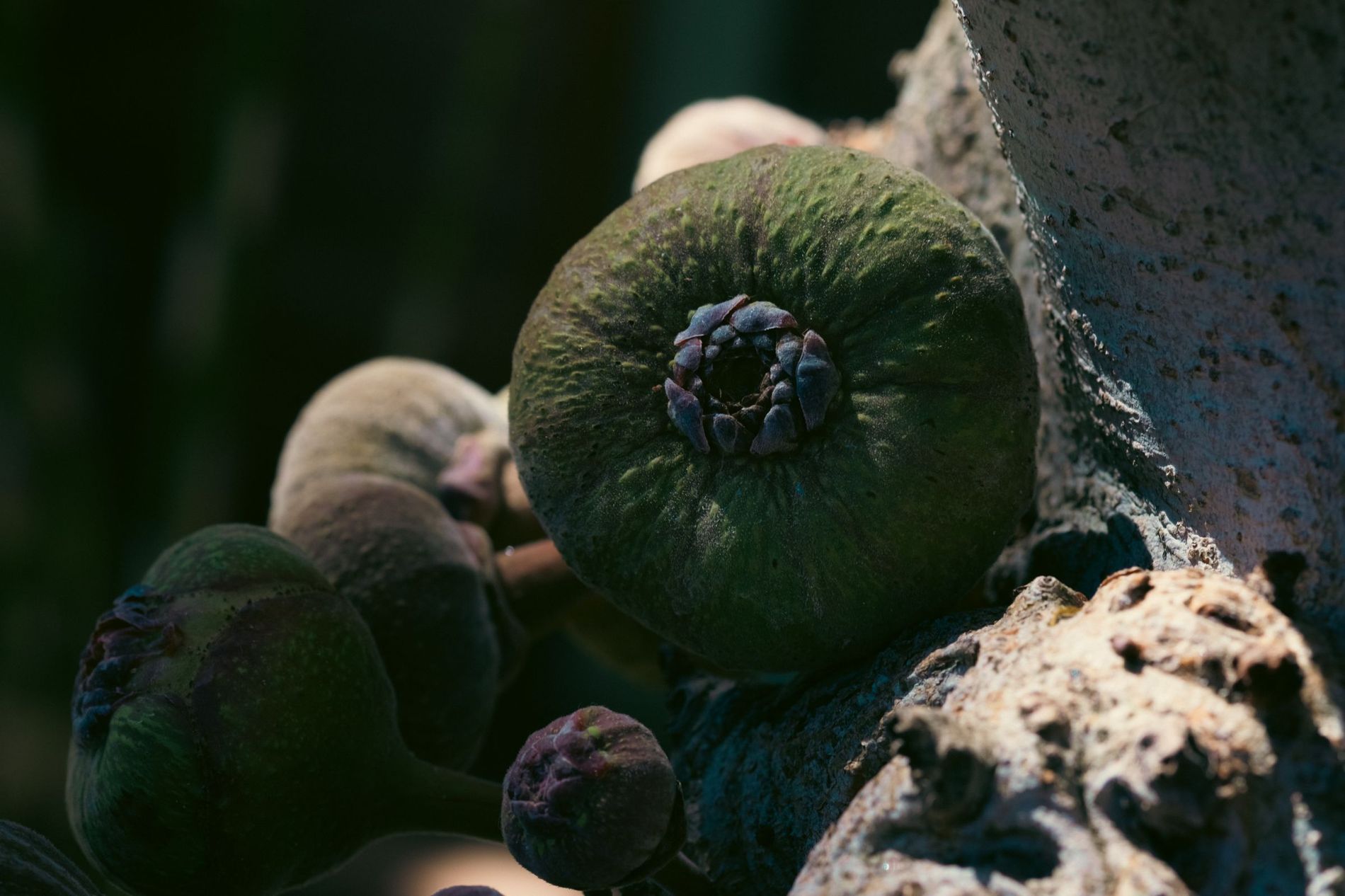
Figs on the branch
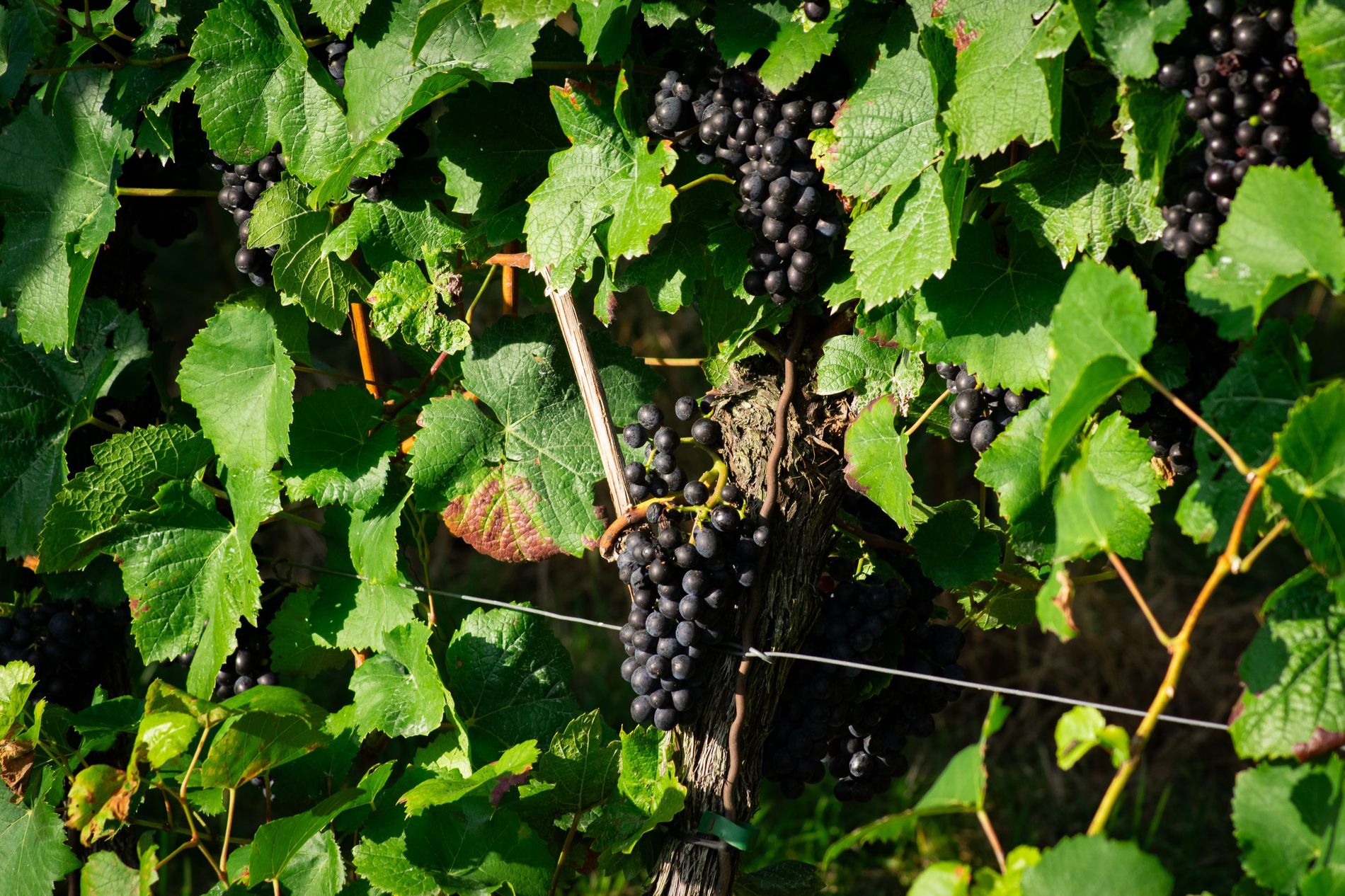
Grapes in the vineyard
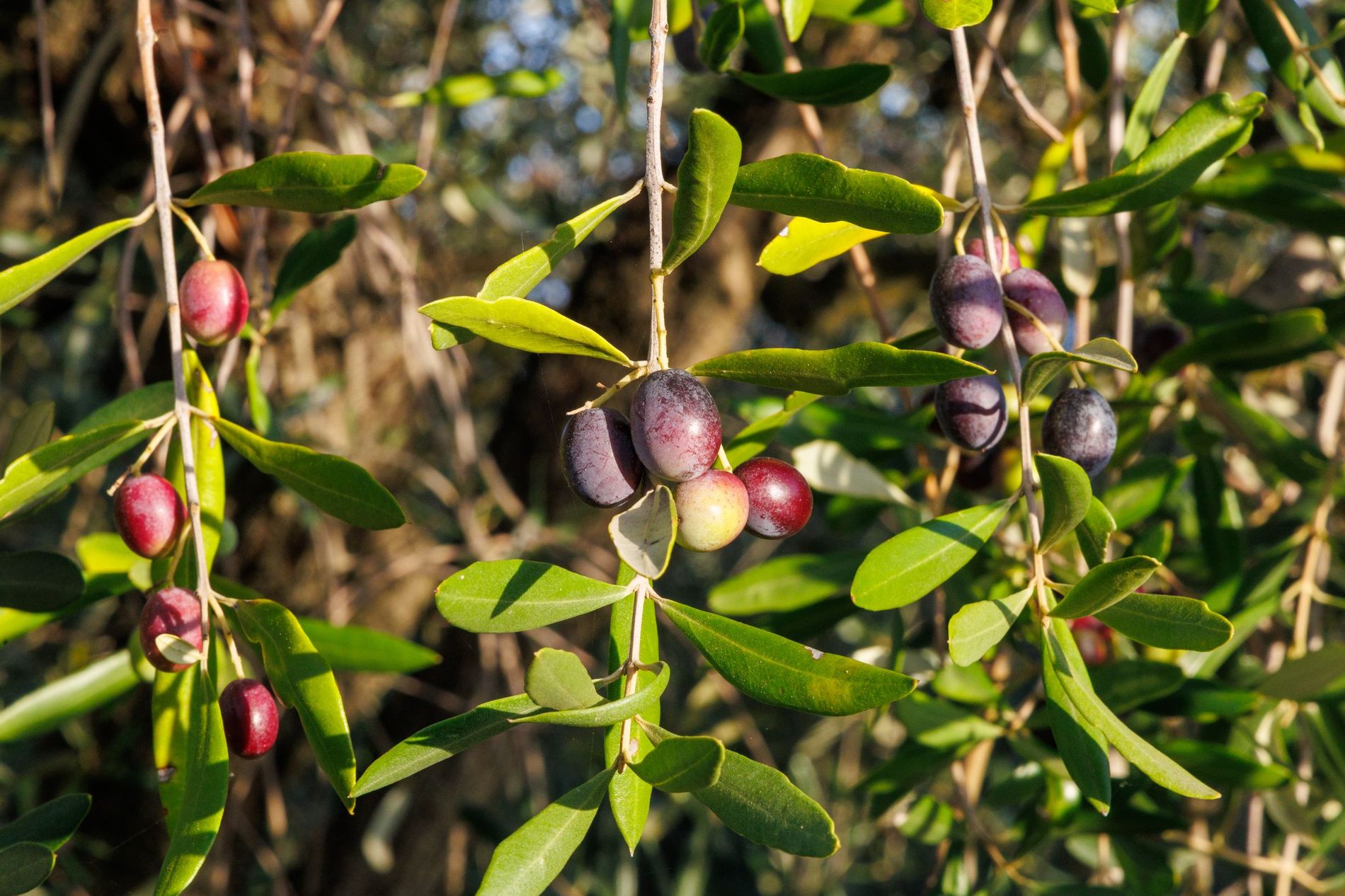
Olive branch with fruit
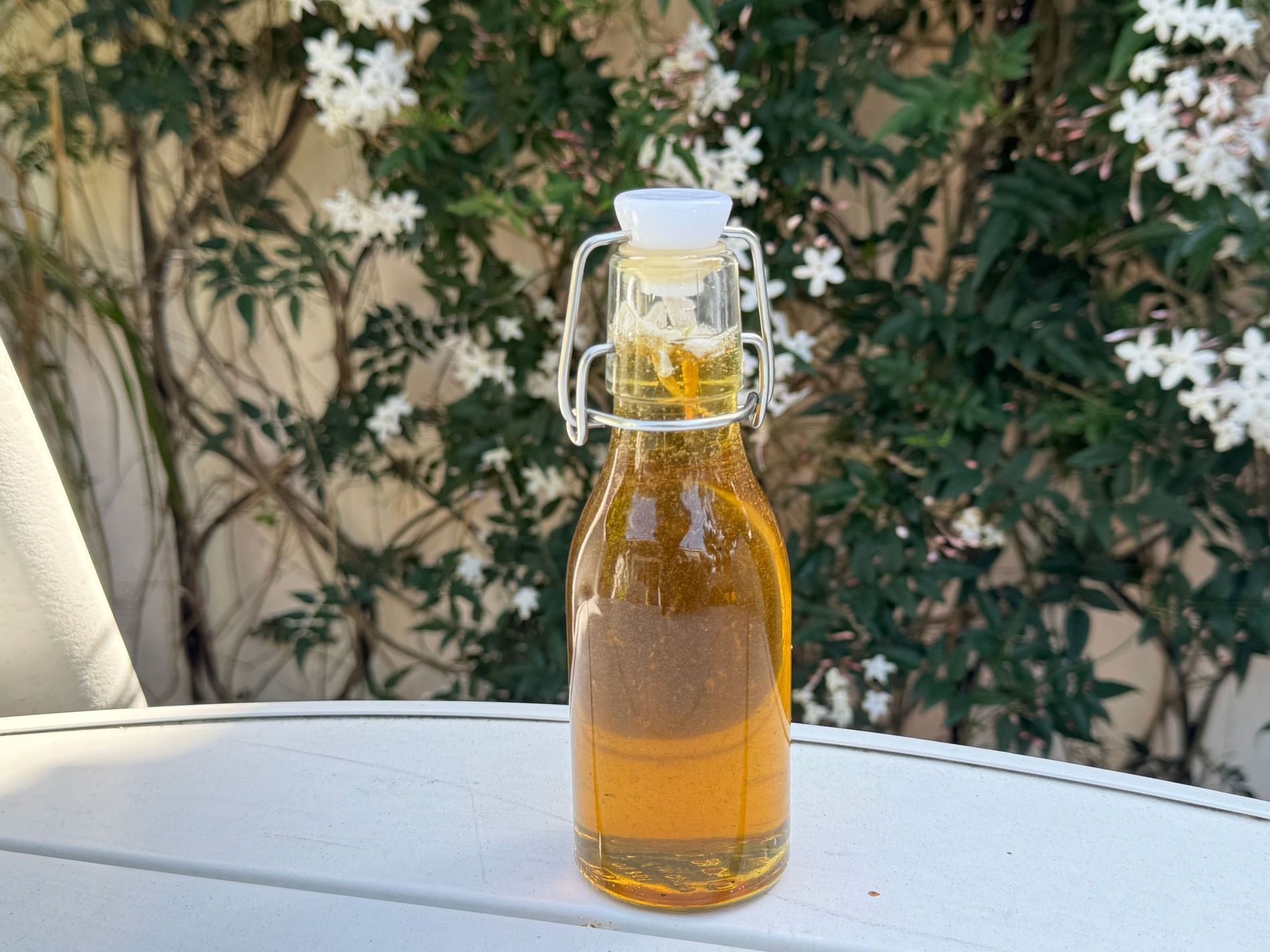
Olive oil in glass bottles
Dried apricots packed for shipment
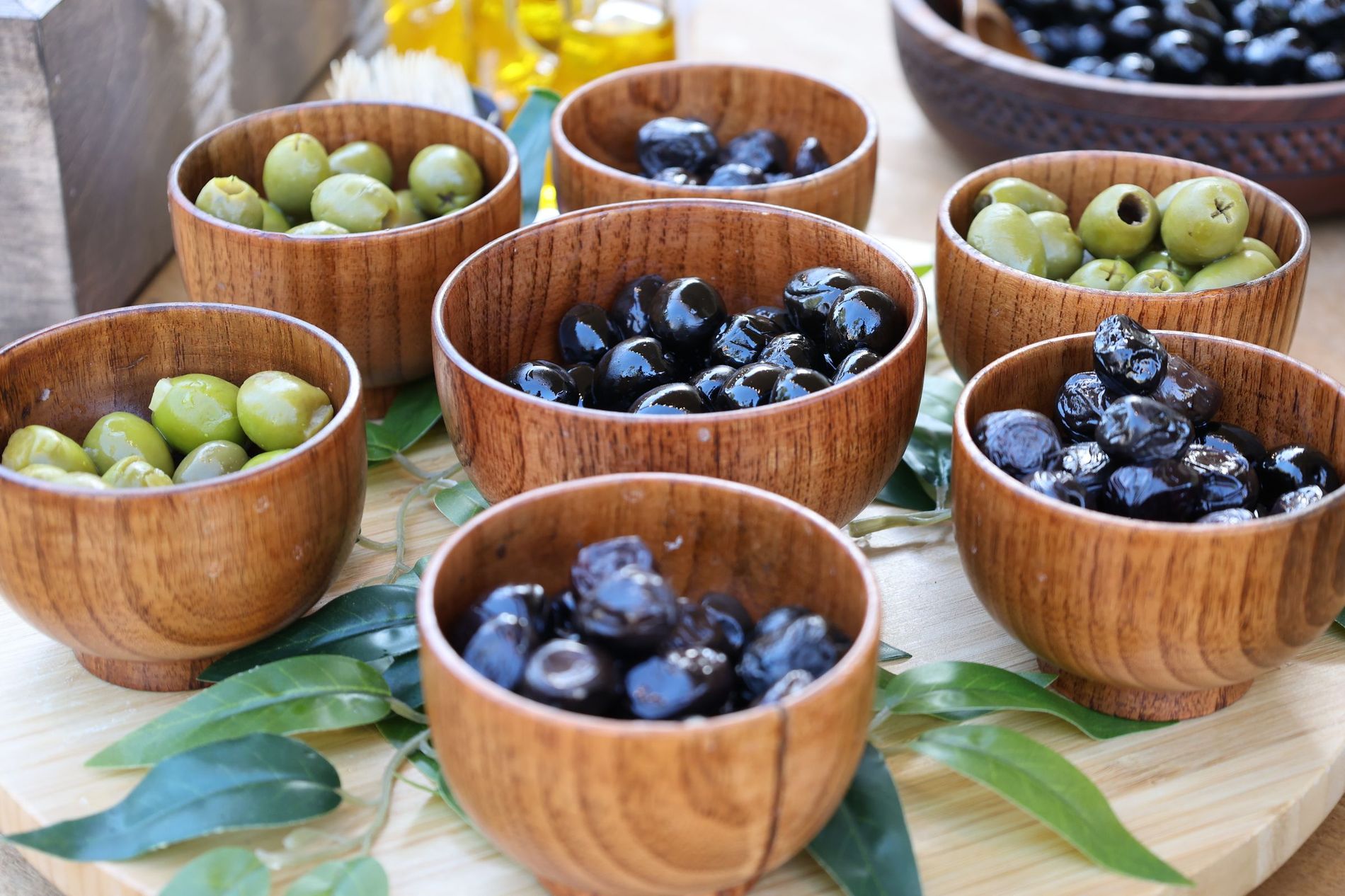
Table olives in jars
International trade brokerage

Dried fruit, nuts, table olives and olive oil — sourced, contracted and shipped.

Trade Asist stands between the buyer and the supplier — as a commission agent, or as principal in our own name, whichever suits the deal — and stays with the transaction from the first specification to the last document. Sourcing, negotiation, contract, freight, laboratory analysis: five stages that have to agree with one another, run by one desk instead of five.

Dried apricotsDried figsPrunesRaisinsHazelnutsPistachiosTable olivesOlive oil · private label
The work

Buying a container of food is not like buying a product

A retailer buying dried apricots is not buying a bag of fruit. They are buying a moisture figure, a sulphur dioxide figure, a size number, a crop year, an aflatoxin report that will satisfy a customs authority two thousand kilometres away, a packing format their own warehouse can handle, and a shipment window that lands before their promotion does — and every one of those is a separate decision, wired to the others. Change the Incoterm and the document list changes. Change the packing and the container plan changes with it.

That is the work. Most of it happens before anything is loaded, and almost all of it happens in writing. A broker doing the job properly spends far more time on the document set than on the price, because the price is the part everybody already watches. The expensive surprises live in the other columns.

The sequence

Five steps between an enquiry and a delivered container

Every shipment follows the same arc, and it starts the same way: an e-mail that says roughly what somebody wants and leaves out most of what the trade will need to know. From there the job is to turn a rough intention into a specification, the specification into comparable offers, the offer into a contract three other parties can read, and the container into a document file the destination will accept. Each step supplies the raw material of the next. Skip one and it does not disappear — it comes back later, more expensively.

We turn what you want into something suppliers can quote
01 — Sourcing

We turn what you want into something suppliers can quote

It begins with a conversation about what you actually buy on: product, type, grade or calibre, moisture, packing unit, quantity, destination and delivery window. Most first enquiries have three of those eight, which is normal — the missing five are what the first exchange is for. Then we go to suppliers in the origins that can serve it, and check the match before an offer ever reaches you: does this origin produce this grade, is the crop current, does the packing format exist, can the destination's paperwork be produced for this lot. Offers come back in a comparable form, so you are weighing the same product on the same terms rather than three different products carrying three different price tags.

Price, terms and tolerances, agreed together rather than one at a time
02 — Negotiation

Price, terms and tolerances, agreed together rather than one at a time

Price is a single line in a commodity negotiation and it is rarely the line that decides whether the deal works. Around it sit the Incoterm, the shipment window, the quality guarantee, the weight and quality tolerances, the claim notification period, and whether inspection is final at loading or at discharge. These interact. A good price attached to the wrong combination of the others is not a good price — it is a dispute with a delay built into it. We negotiate the package as one object, and agree the unglamorous clauses at the same time as the glamorous ones, because the unglamorous ones are the only clauses anyone reads on the day something goes wrong.

One document that the bank and the customs office can both read
03 — Contract

One document that the bank and the customs office can both read

A sales contract in this trade has at least three audiences after the two who sign it. The bank asks whether the document list can actually be produced under the chosen Incoterm. The customs authority at destination asks whether the origin evidence supports the tariff treatment being claimed. The surveyor, if there ever is one, asks which standard the quality is measured against and on which sample. We read the draft the way those three will read it, and where their readings disagree we fix the contract before signature. That is the last cheap moment.

Booking, container and the transport documents
04 — Freight

Booking, container and the transport documents

The Incoterm decides who books, who insures and where risk passes; the cargo decides almost everything else. Dried fruit and nuts travel ambient in most lanes, and their real enemy is moisture and condensation rather than heat. Brined table olives dislike thermal shock and depend on seal integrity. Bulk olive oil moves in flexitanks, IBCs, drums or ISO tanks and has to be kept away from light, oxygen and heat the whole way. We settle the packing decision before booking rather than after, organise the booking and the loading, and make sure the transport document comes out in the form the file demands.

The tests and papers the destination will ask for
05 — Analysis and certification

The tests and papers the destination will ask for

Aflatoxin and ochratoxin A, pesticide residues, sulphur dioxide, heavy metals, moisture, calibre, drained weight, and for extra virgin olive oil the sensory panel — which of these your shipment needs is decided by three things at once: the product, the destination's rules, and your own specification, which is often stricter than the law. We organise the sampling and the accredited laboratory work, and follow the health, plant health and origin documents through the authorities that issue them until they are in the shipping file. Where a product is subject to increased official controls at EU entry, we plan for the border inspection instead of being surprised by it.

Origins

Where these products come from, and when

These are all crops, and crops have a calendar. It is easy to forget that in a trading office, where everything arrives as a specification and leaves as a document set — but the reason a lot is available in November and gone by April is that a tree somewhere finished fruiting in September.

The year opens inland. In Malatya, in eastern Anatolia, apricots come off the trees in July and August and go straight to drying; the export season opens behind the processing, with most of the movement between October and December. By August the Aegean has started: figs of the Sarılop variety ripen in the Büyük and Küçük Menderes basins around Aydın and İzmir — the only place that variety is grown — and are dried and then shaped by hand into the forms the export trade buys by name. Almost simultaneously, in Manisa, Denizli and İzmir, the sultana harvest begins. Autumn belongs to the Black Sea coast for hazelnuts, and to the whole Mediterranean basin for the olive harvest, where the milling window is measured in hours rather than days.

We source to the requirement rather than to a single country: Türkiye and Greece are where most of this list is at its best, but the origin follows the specification, not the other way round.

Apricots

Apricots

Malatya · July–August
Figs

Figs

Aydın · İzmir · from August
Hazelnuts

Hazelnuts

Black Sea coast · autumn
Olives & olive oil

Olives & olive oil

Mediterranean basin · autumn
Eight product families

What we trade

Each is quoted against a written specification — type, grade or calibre, moisture, packing and crop year — never against a product name alone.

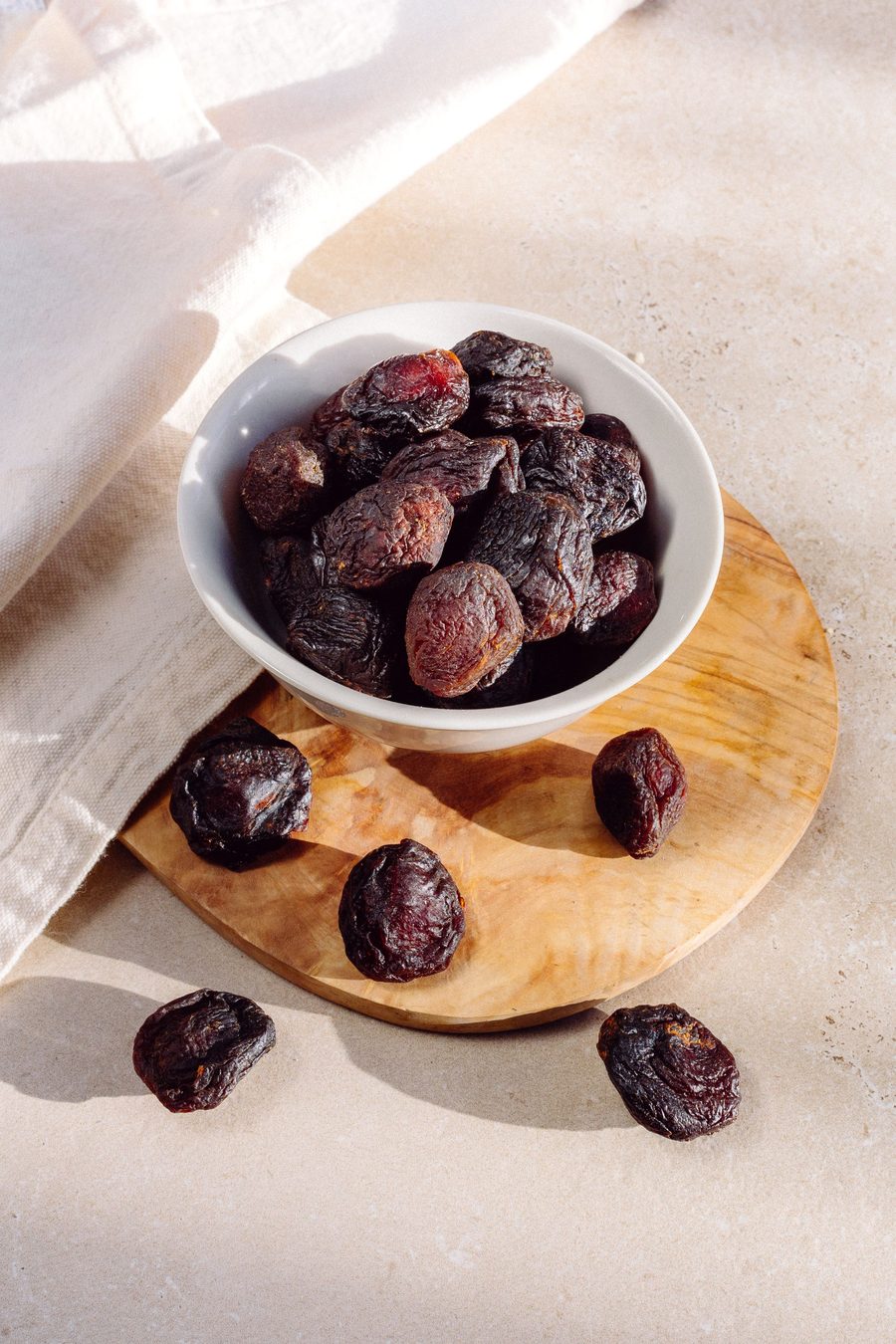
Dried apricots

Dried apricots

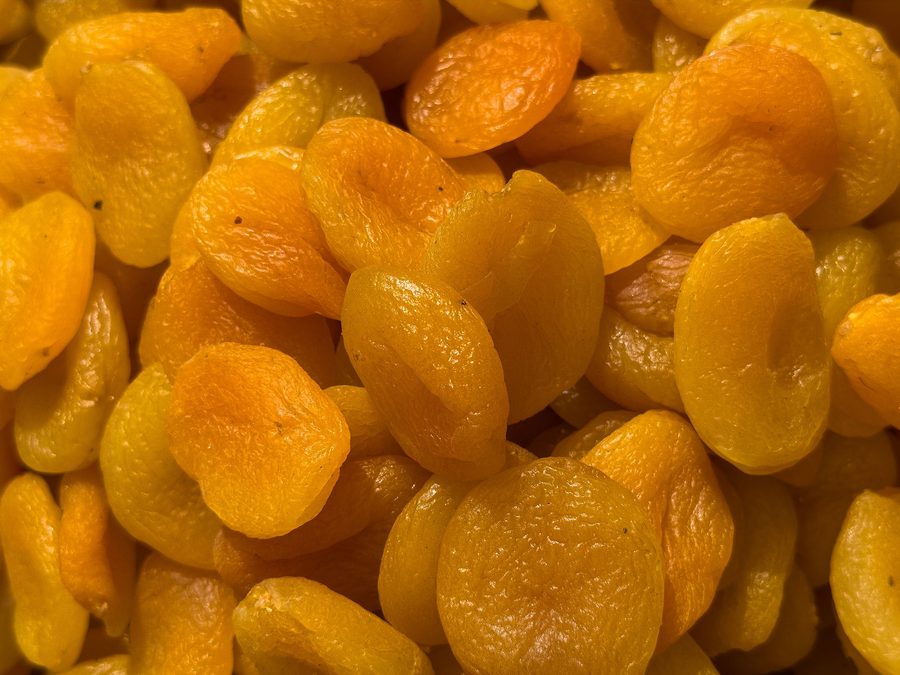
Sulphured, natural and industrial qualities — whole, pitted, halved and slab styles, from Malatya and the surrounding valleys.

SizeNo. 1 – No. 8
Quoted oncount/kg · diameter
Spec linesmoisture · SO₂
Dried figs

Dried figs

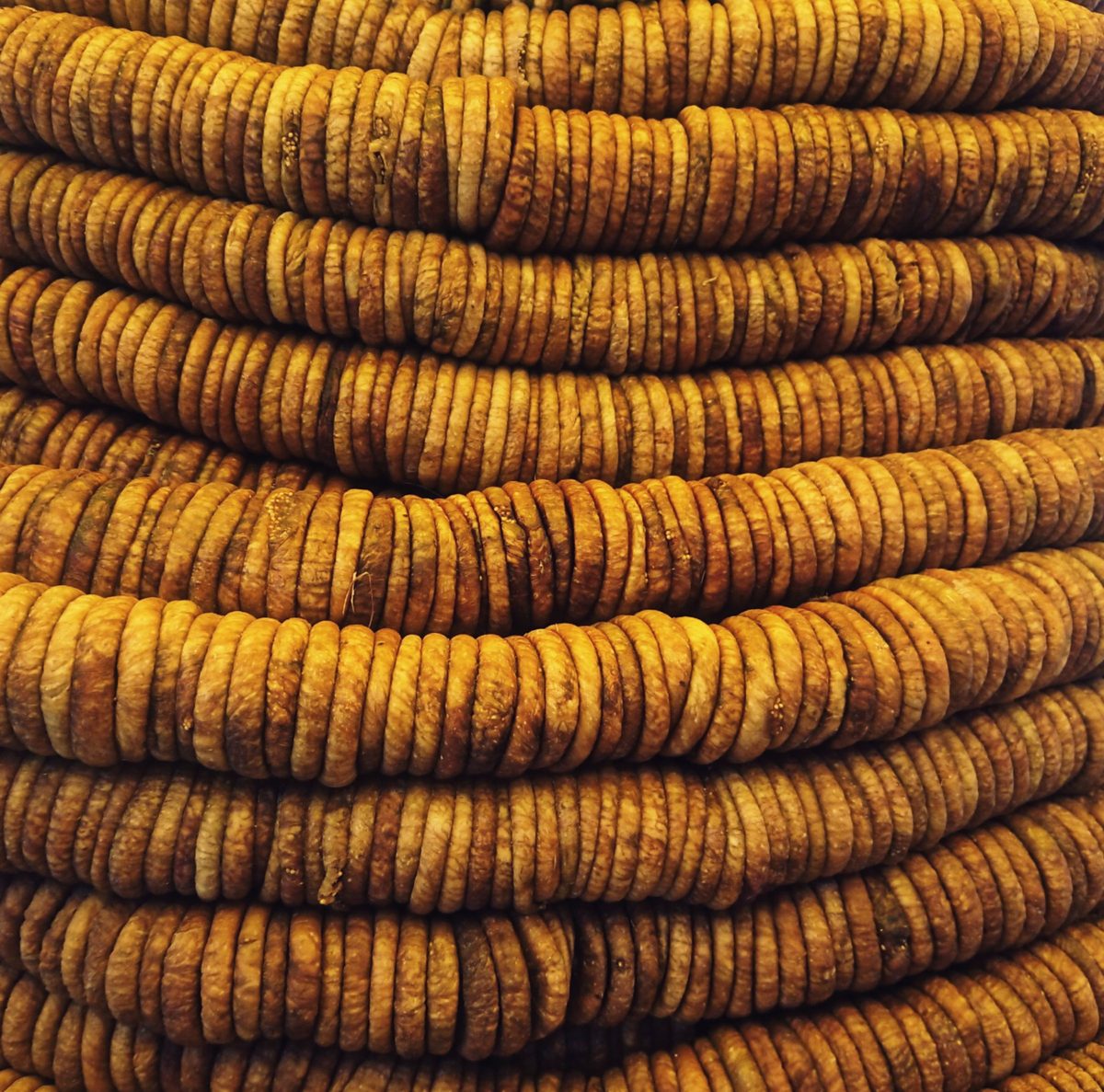
Sarılop from the Aegean, in the shapes the trade buys by name — lerida, protoben, pulled, baglama, garland, natural.

VarietySarılop
Sizecount/kg
Fileaflatoxin · OTA
Prunes

Prunes

Pitted and unpitted, sized for the market you sell into rather than by a single scale.

Stylepitted · unpitted
Sizecount/lb · /500g
Price linesgrade · moisture · preservative
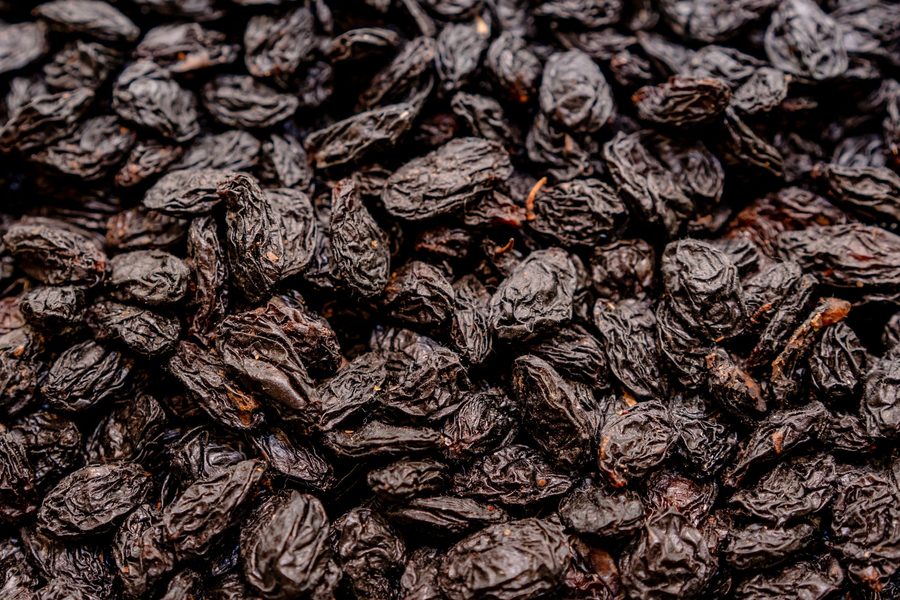
Raisins

Raisins

Sultanas — bleached and unbleached, dipped and natural — plus seed-bearing types and Corinthian currants as a separate trade item.

Typessultana · currant
Quoted oncolour + calibre together
Hazelnuts

Hazelnuts

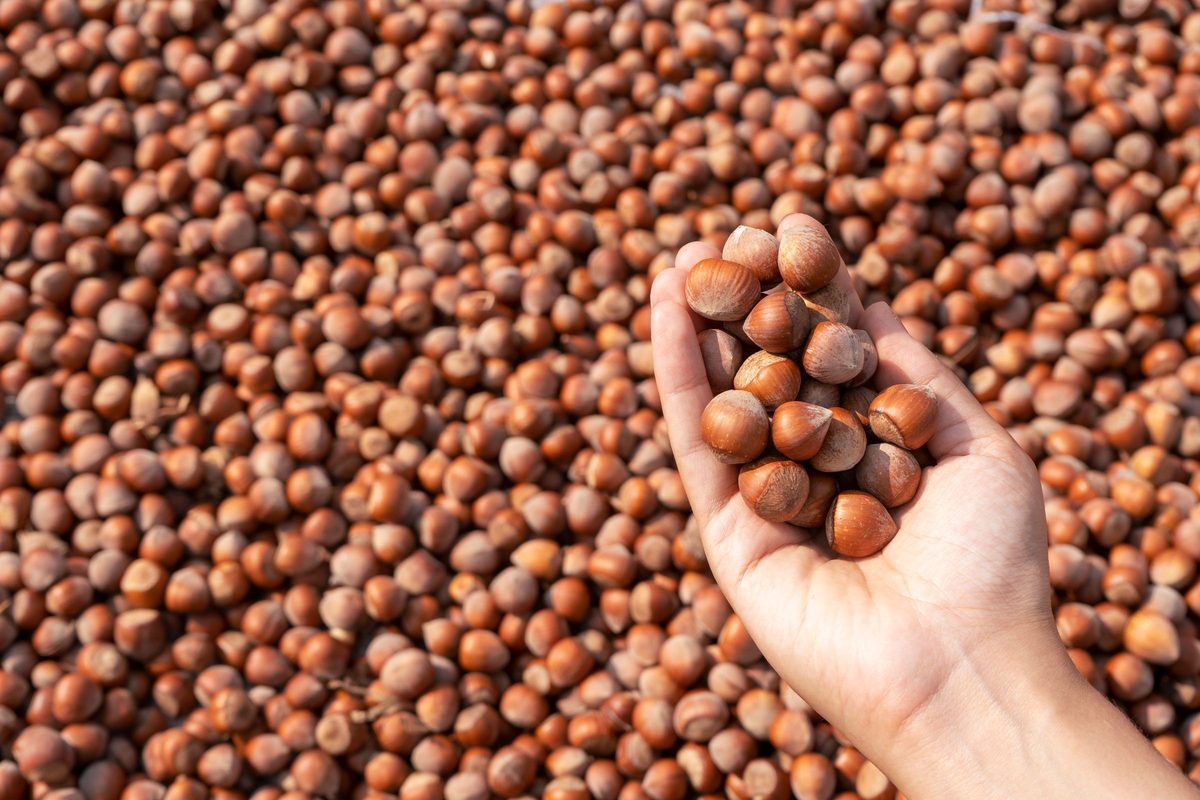
In-shell and shelled kernels — natural, blanched, roasted, diced, sliced and paste — under the recognised Black Sea trade origins.

OriginsGiresun · Akçakoca · Ordu
GradeExtra · Class I
First parameteraflatoxin
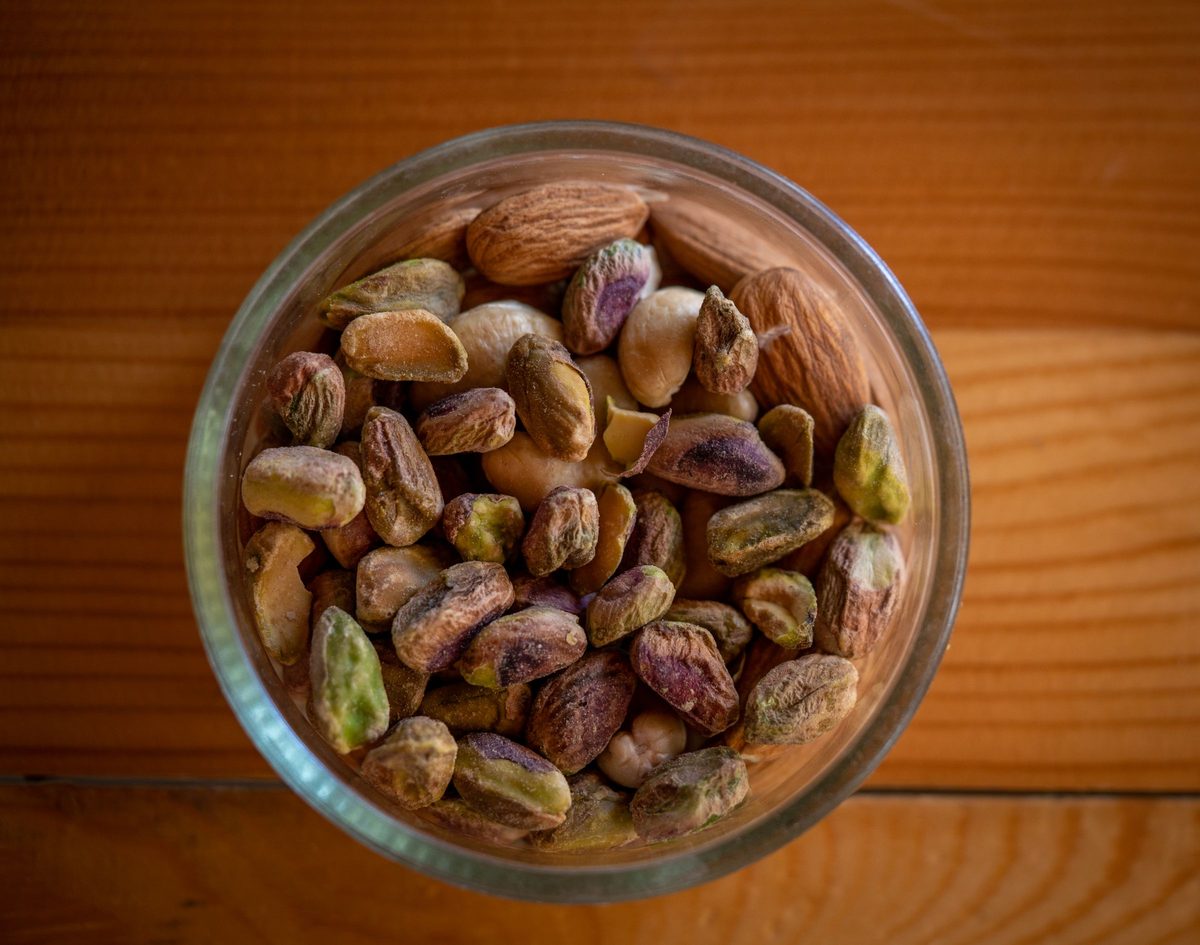
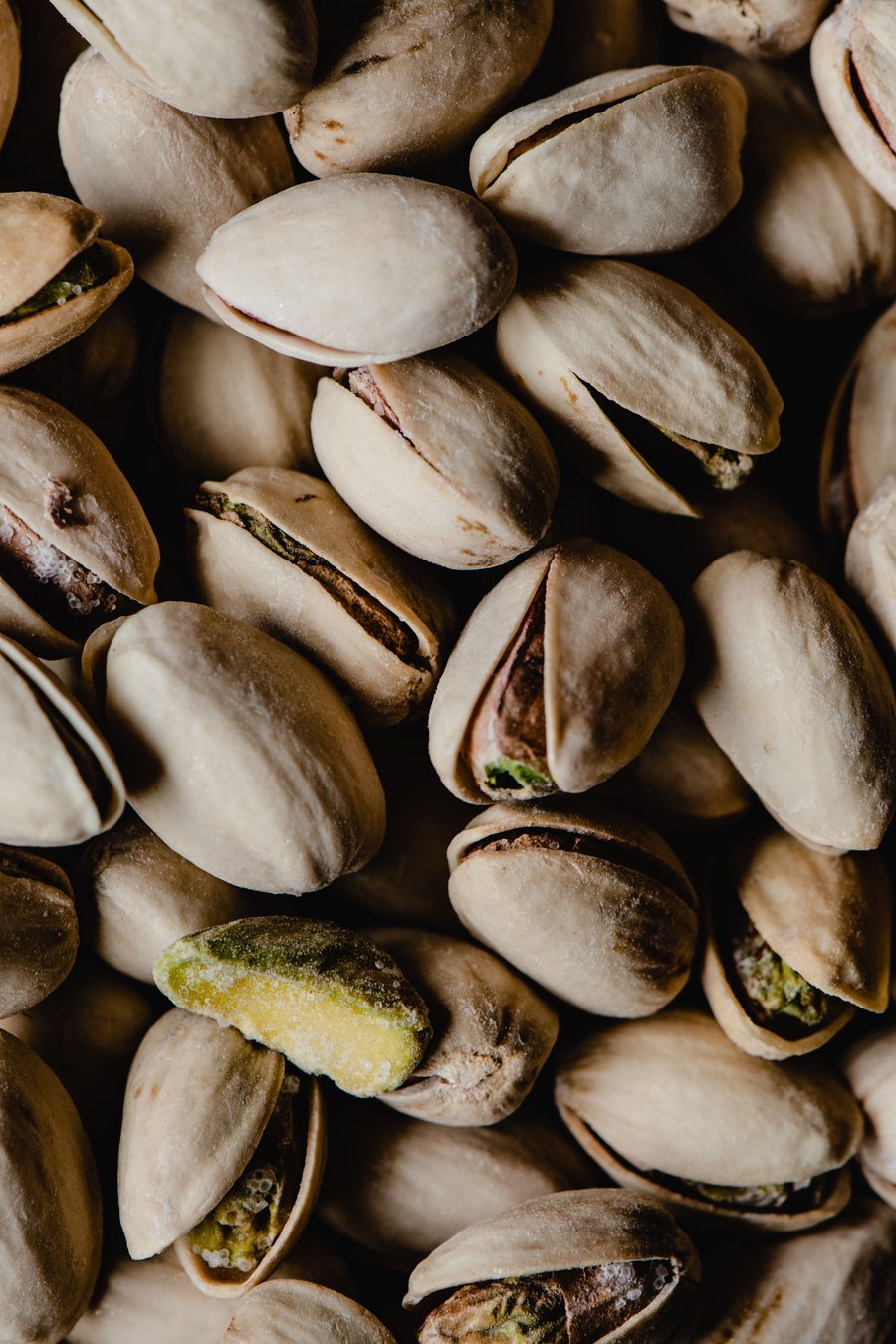
Pistachios

Pistachios

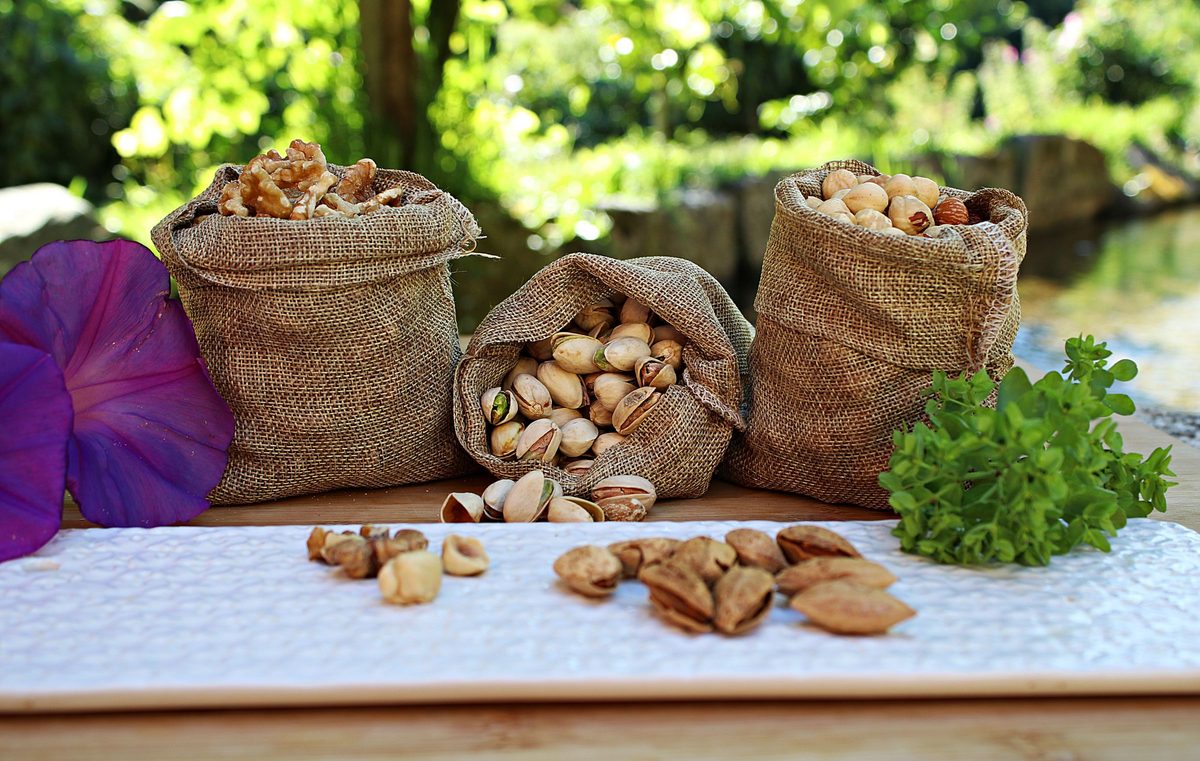
In-shell, shelled kernels and peeled green kernels, with crop year confirmed lot by lot.

Sizecount/oz, from Colossal
EU entryaflatoxin · OTA
Table olives

Table olives

Green, turning colour and black; treated, natural, dehydrated and oxidation-darkened; whole, cracked, split, stoned, sliced and stuffed.

Checked firstcalibre · drained weight
Thensalt · pH
Olive oil

Olive oil

Extra virgin, virgin, refined blends and pomace oils — in bulk and packed, including private label from category selection and artwork through to per-batch analysis.

Private labelcategory · artwork · COA
Formatsbulk · packed
Scope

What we do, and what we do not do

A broker is useful in proportion to how clearly the role is drawn. Ours is drawn here.

We do

  • Take a written specification and bring back comparable offers from origins that can serve it.
  • Negotiate price, Incoterm, tolerances and inspection terms as one package.
  • Align the contract so the bank and the customs authority read the same thing.
  • Organise booking, container, loading and the transport document set.
  • Arrange sampling, accredited laboratory work and the certificate set the destination expects.
  • Work as commission agent or as principal in our own name — whichever suits the deal.

We do not

  • Grow, process or pack the goods. We are not a producer and we do not present ourselves as one.
  • Issue certificates. Accredited laboratories and inspection bodies do that; we arrange and check them.
  • Quote a price without a specification. A product name is not a specification.
  • Guarantee a quality we have not written into the contract with a standard and a method.
Commercial terms

All Incoterms — starting from the most transparent one

We work with all Incoterms. The most transparent starting point for both sides is EXW: the goods price is visible on its own, and the buyer keeps control of freight rather than receiving it folded into a single figure.

Export clearance, freight and the document flow are then organised by us as a defined service — so the term stays simple without leaving the buyer to solve export formalities in a country they do not operate in.

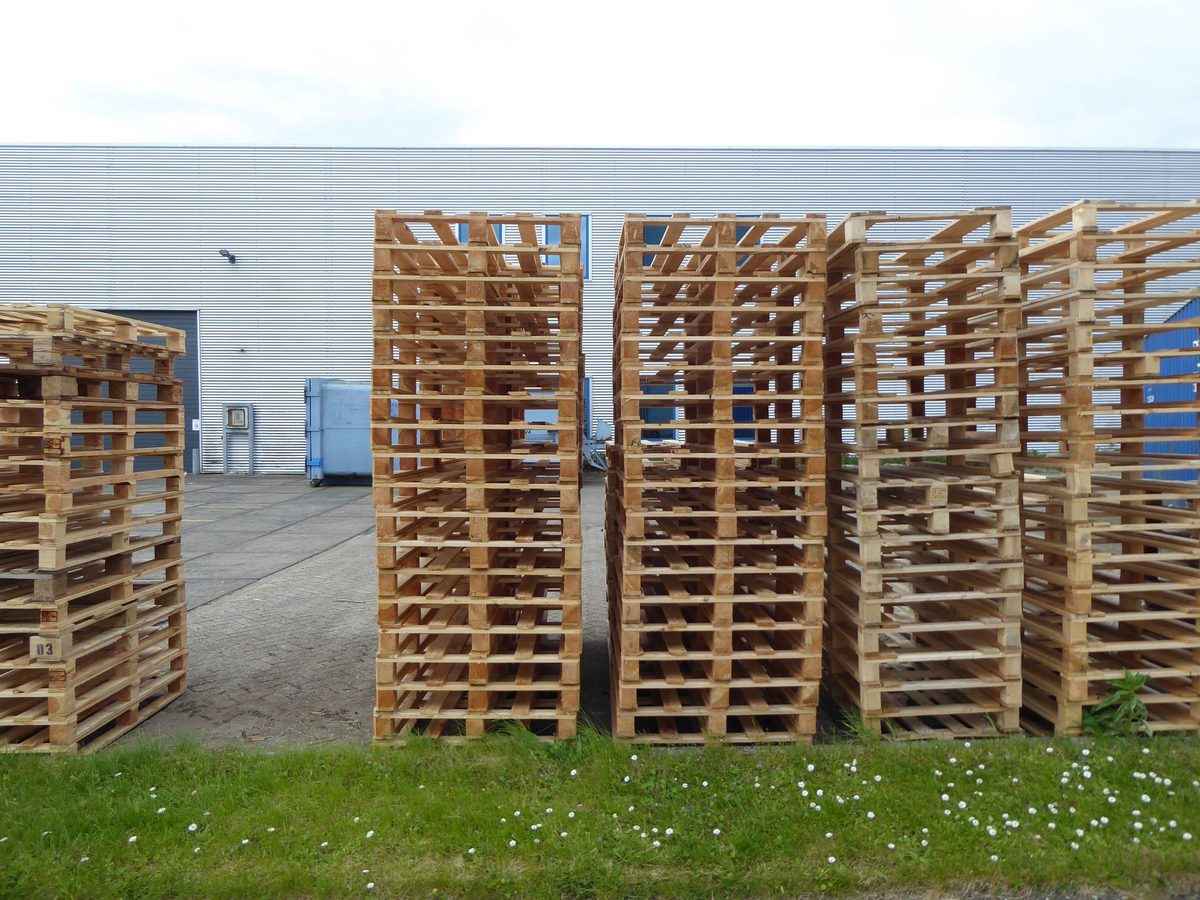
Palletised cargo prepared for loading
Enquiry

Tell us what you buy, or what you supply

The more of the specification you can give, the faster the first useful answer comes back. If you only have three lines of it, send three — the rest is what the first exchange is for.

Address
Mavromichali, Pireas 185 45, Greece
Telephone
+30 694 541 9952
Office hours
Monday – Friday, 10:00 – 15:00
Athens time (EET/EEST)
Languages
English · Ελληνικά